

The Vegan Supplement Stack We Actually Use: Protein, Omega-3, D3 & B12
A vegan diet can meet almost every nutrient your body needs, except four. Protein density, omega-3 fatty acids (specifically DHA and EPA), vitamin D3, and vitamin B12 are the four gaps that show up consistently in nutrition research, no matter how well planned the diet is. That is the entire reason we built a real supplement stack instead of guessing. Here is exactly what we use: Equilife organic plant protein for daily protein, Ritual's vegan Omega-3 for DHA and EPA, EquiLife's Vitamin D3 Liquid Drops, and Garden of Life's B12 for the two nutrients a vegan diet cannot reliably produce on its own. Below, we explain why each one matters, what the research actually says, and how to build a stack that fits your own diet and budget.
In this article
- Why does a vegan diet need supplements at all?
- Do vegans need extra protein?
- Why is omega-3 hard to get without fish?
- Is vitamin D3 actually vegan?
- How much B12 do vegans really need?
- How to build your own stack
- FAQ
Why does a vegan diet need supplements at all?
A well-planned vegan diet can meet nearly all nutrient needs through food alone, but a small handful of nutrients are either absent from plants entirely or difficult to absorb in the forms plants provide. The NHS specifically flags vitamin B12 as limited enough on a vegan diet that supplementation may be needed, alongside vitamin D, iodine, and selenium as nutrients worth watching.
Registered dietitians go further and single out three nutrients as non-negotiable: B12, vitamin D, and omega-3s. These are not "nice to have" additions. They are the nutrients most likely to fall short even on a carefully planned plant-based diet, which is why we treat them as the foundation of our stack rather than an afterthought.

Do vegans need extra protein?
Whole plant foods like lentils, tofu, and tempeh can absolutely get you to your daily protein target. The honest reason most vegans still reach for a powder is convenience, not necessity: hitting 25 to 30 grams of complete protein in one sitting from food alone takes planning most people do not have time for every single day.
That is where a clean plant protein blend earns its place. We use Equilife because it combines organic plant protein with a broader nutritional profile in one scoop, without relying on a single isolate that leaves gaps in the amino acid profile.
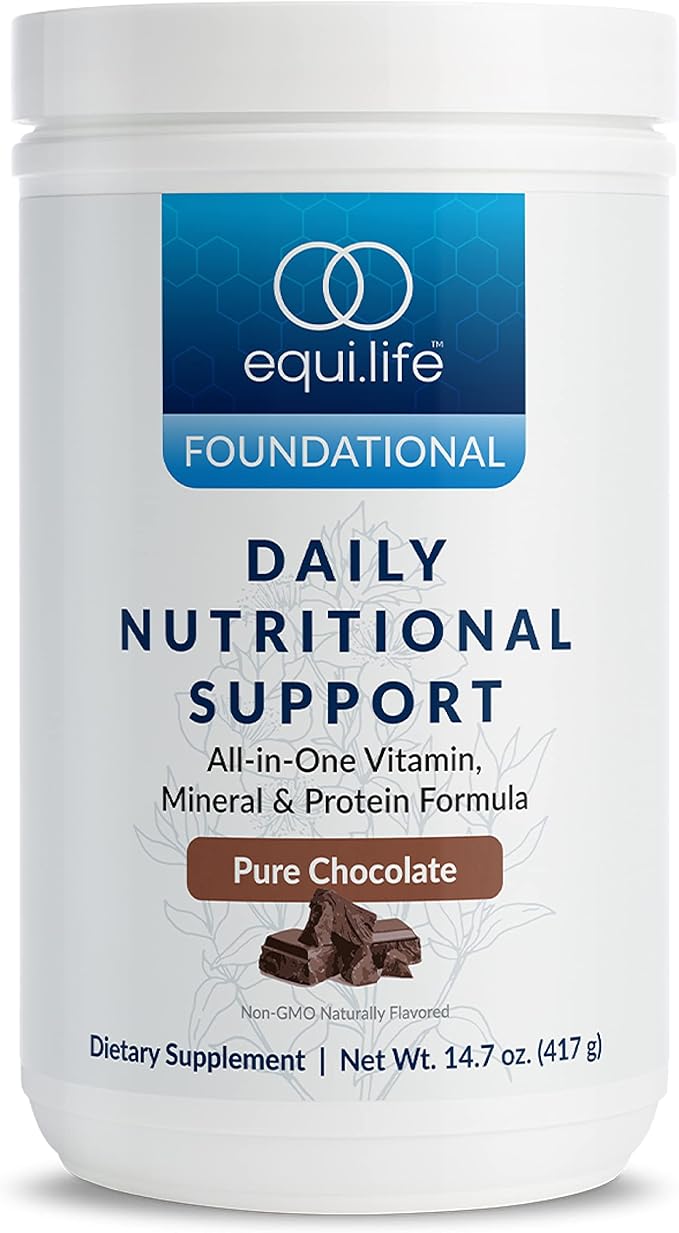
All-in-one plant protein with added multivitamin support, in Pure Chocolate or Pure Vanilla.
Why is omega-3 hard to get without fish?
This is the nutrient most vegans underestimate. Flax, chia, and walnuts provide ALA, a plant-based omega-3, but the body converts ALA into the two forms it actually needs, EPA and DHA, at a very low and inconsistent rate. Most people, vegan or not, fall short on EPA and DHA specifically, and these two fatty acids matter for brain health, heart health, and inflammation control.
The fix is an algae-based omega-3, which delivers EPA and DHA directly instead of asking your body to make the conversion. We use Ritual's vegan Omega-3 for exactly this reason: it is sourced from algae rather than fish oil, so it skips the animal supply chain entirely while still delivering the two fatty acids that matter most.
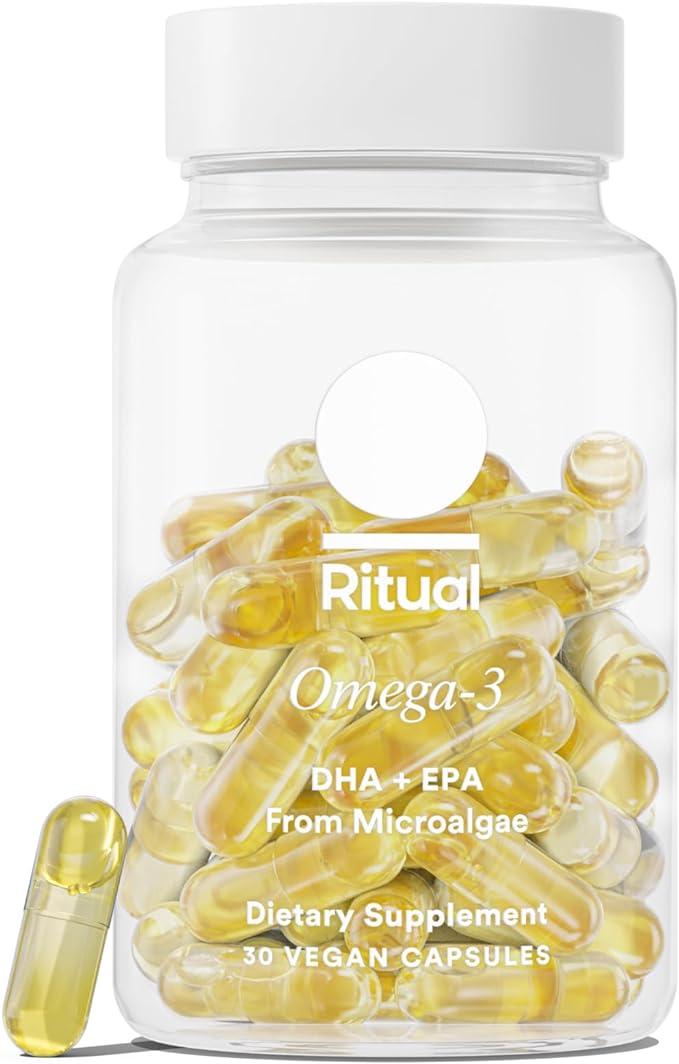
Algae-sourced DHA and EPA in a 2:1 ratio, with minimal burp-back, 30 day supply.
Is vitamin D3 actually vegan?
Not always, and this trips people up. Most vitamin D3 on the market comes from lanolin, which is extracted from sheep's wool, so it is not vegan even when a product does not explicitly say "fish oil" on the label. True vegan D3 comes from lichen instead, and it is worth checking the source before you buy.
D3 matters for bone health, immune function, and mood regulation, and deficiency is common across the board, not just among vegans. Indoor jobs and limited winter sunlight mean most people fall short regardless of diet. We use EquiLife's Vitamin D3 Liquid Drops, a vegan-certified, easy-to-dose formula that mixes into any drink or goes straight under the tongue.
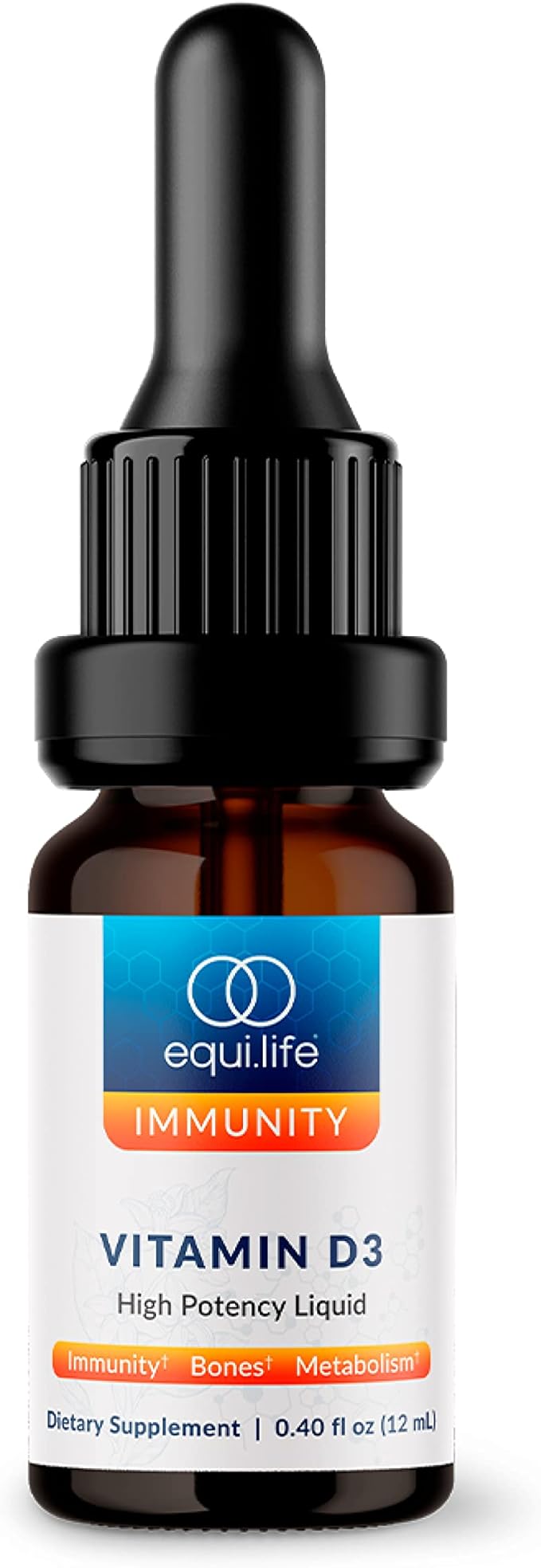
High-potency liquid D3, easy to dose, 12 ml, supports immune and bone health.
How much B12 do vegans really need?
B12 is the one nutrient nutrition researchers agree on without much debate. It is not produced by plants, and it is essential for nerve function, red blood cell production, and DNA synthesis. A 2026 randomized controlled trial published in the European Journal of Nutrition confirmed that daily B12 supplementation measurably improved B12 blood biomarkers in healthy vegans, while other nutrients in the same multivitamin showed no clear effect, which is a useful reminder that not every nutrient needs the same level of supplementation. B12 does.
We use Garden of Life's Organics B12, a whole food liquid formula that is simple to work into a daily routine without swallowing another pill.
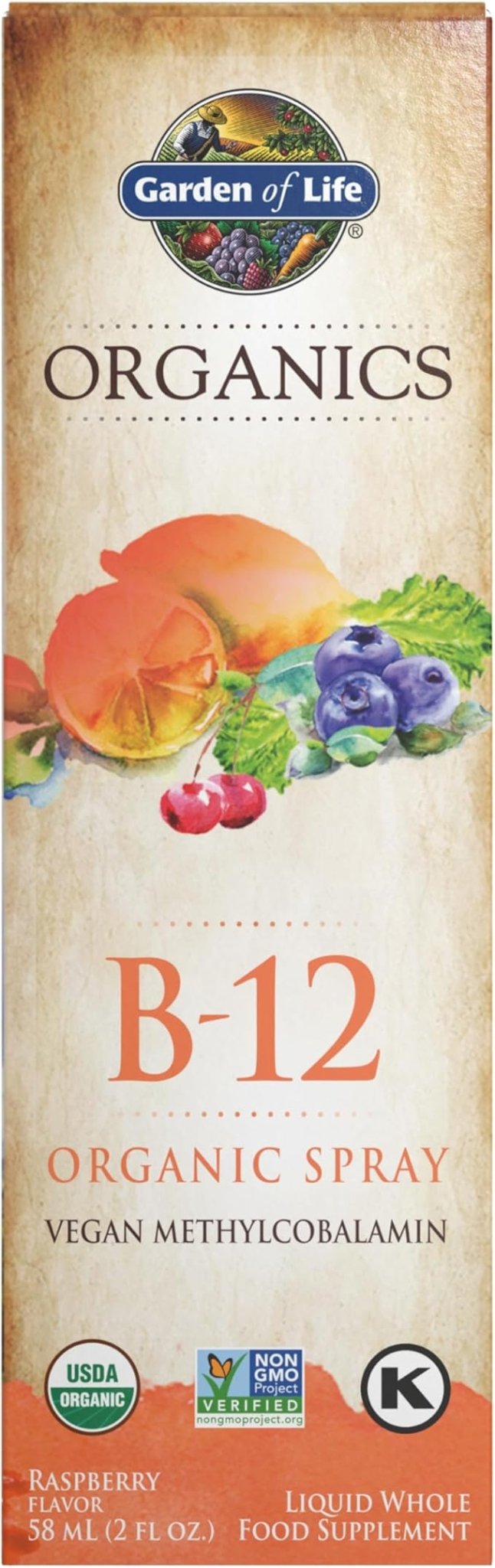
Whole food liquid B12 for metabolism and energy, Raspberry flavor, 2oz.
How to build your own vegan supplement stack
You do not need to buy all four at once, and you do not need our exact picks. Here is the order we would prioritize if you are starting from zero:
- Start with B12. It has zero reliable plant sources, and deficiency symptoms take the longest to show up and the longest to reverse.
- Add D3 next. Check the label for a lichen source rather than lanolin, since not every D3 on the shelf is actually vegan.
- Layer in omega-3. Look specifically for an algae-based EPA and DHA formula rather than a flax or chia oil capsule, which only provides ALA.
- Add protein last, if needed. If your meals already hit your protein target through whole foods, a powder is a convenience, not a requirement.
Talk with a doctor or registered dietitian before starting any new supplement, especially if you are pregnant, nursing, or managing an existing health condition. This article is educational, not medical advice.
Frequently asked questions
Do vegans really need to supplement, or can food alone work?
For most nutrients, food alone works fine on a well-planned vegan diet. B12 is the exception, since it has no reliable plant source, and D3 and omega-3 (specifically EPA and DHA) are difficult enough to get through food that most dietitians recommend supplementing rather than relying on diet alone.
Is all vitamin D3 vegan?
No. Most D3 on the market is derived from lanolin, extracted from sheep's wool. Vegan D3 is made from lichen instead, so check the source on the label rather than assuming "D3" automatically means vegan.
What is the difference between ALA and DHA/EPA omega-3?
ALA is the omega-3 found in flax, chia, and walnuts. DHA and EPA are the two forms your body actually uses for brain, heart, and eye health. Your body can convert some ALA into DHA and EPA, but the conversion rate is low, which is why an algae-based DHA/EPA supplement is more reliable than plant oils alone.
How do I know if I might be B12 deficient?
Common signs include fatigue, brain fog, mood changes, and in more serious cases nerve-related symptoms. A simple blood test through your doctor is the most reliable way to check, especially if you have been vegan for more than a couple of years, since B12 stores from before can take years to deplete.
Do kids or pregnant vegans need different doses?
Often, yes. Nutrient needs shift during pregnancy, breastfeeding, and childhood, so the general guidance in this article is not a substitute for a conversation with a doctor or dietitian about the right dose for your specific situation.
See the full stack, and everything else we actually use
Our Resources page has the complete, continuously updated list of vegan products we personally use and trust, from supplements to pantry staples.
Browse the Resources page →Every FHFE apparel purchase also donates 10% to animal welfare charities.
Supplements cover the gaps in a vegan diet. For the fun side of the kitchen, read Vegan Comfort Food: The 7 Swaps We Actually Make next.